Wild Floral Watercolor Illustrations: Elevate Your Creative Projects
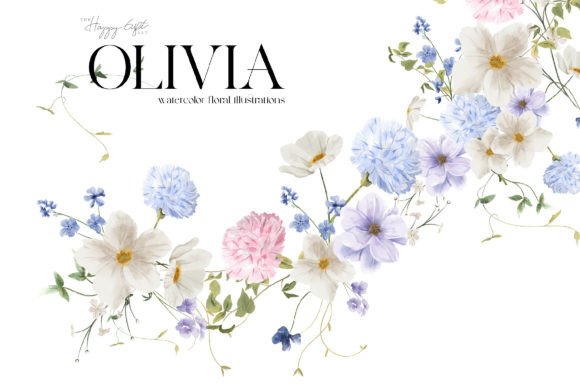
There is a specific kind of visual language that speaks of organic growth and artistic authenticity. When you encounter Wild Floral Watercolor Illustrations, you are looking at more than just a collection of clipart; you are looking at a design asset that bridges the gap between fine art and commercial utility. In a digital landscape often saturated with rigid vectors and flat graphics, the texture and fluidity of watercolor offer a refreshing tactile quality. This particular collection, often referred to as the Olivia floral collection, brings that handmade aesthetic directly to your desktop, ready to transform your next project.
The Anatomy of the Olivia Floral Collection
Understanding what you are working with is the first step in effective design. This specific package delivers a robust set of 27 PNG files. For those who work with print specifications, knowing the technical details matters. These files are saved at 300 DPI, which is the industry standard for high-quality printing. You are working with transparency support, meaning the backgrounds are removed, allowing these elements to float seamlessly over your own color palettes and textures.
Regarding scale, the assets are versatile. The largest pieces measure approximately 6" x 6", making them substantial anchors for a composition, while the smaller elements, approximately 2" x 4.6", work perfectly as accents or detailed embellishments. Visually, the style leans into the "wild" aesthetic. Unlike stiff, symmetrical floral arrangements found in stock photography, these illustrations mimic nature's irregularity. The watercolor bleeds are soft, the palette is likely nuanced to avoid harsh digital edges, and the subject matter—specifically the carnation flower clipart and floral bouquet clipart—offers a classic but lively feel.
One crucial detail to keep in mind is the variability of color across different computer monitors. The soft pinks or muted greens you see on your screen might render slightly differently on a client's display or in a printed proof. This is a standard characteristic of digital assets and highlights the importance of color calibration in professional workflows.
Strategic Applications for Modern Creatives
How you use Wild Floral Watercolor Illustrations depends entirely on your audience and your medium. For the graphic designer or brand strategist, these assets are a goldmine for creating approachable brand identities. If you are building a logo or visual system for a boutique, a wedding planner, a florist, or an organic skincare line, these illustrations provide an immediate sense of warmth and authenticity. They tell the viewer that the brand values craftsmanship and nature.
In the realm of editorial design and publishing, watercolor elements are invaluable. Imagine a magazine layout featuring a wellness article or a cookbook cover. Using these illustrations as spot graphics or chapter headers breaks up long blocks of text and draws the reader's eye. They function exceptionally well when paired with clean sans serif fonts for body text, creating a necessary contrast between the organic art and the structured information.
For marketers and content creators, specifically those managing social media, visual fatigue is a real challenge. Scrolling through feeds often reveals a sea of generic stock photos. Incorporating hand-painted elements like a floral bouquet clipart into your Instagram stories, Pinterest pins, or Facebook headers stops the scroll. It adds a layer of sophistication that generic templates cannot match. Similarly, bloggers can use these graphics to create unique featured images that align with their site’s aesthetic without relying on overused free stock sites.
Print-on-Demand and Physical Products
The utility of these illustrations extends beyond the screen. If you are an entrepreneur running a print-on-demand store, Wild Floral Watercolor Illustrations are ideal for product design. Think about wedding stationery—save-the-dates, invitations, and thank-you cards. The carnation flower clipart can be isolated and arranged to frame text beautifully. Because the files are high-resolution, they translate well onto merchandise like tote bags, mugs, or even custom fabric patterns. The organic nature of the watercolor style often hides minor production imperfections better than solid vector blocks, making it a forgiving yet professional choice for physical goods.
Design Principles: Integrating Watercolor into Your Layout
Simply placing a floral element on a page isn't enough; successful integration requires an understanding of visual hierarchy and readability. When using Wild Floral Watercolor Illustrations, consider them as supporting actors rather than the lead, unless you are designing a purely artistic poster.
Readability and Contrast
Watercolor textures can sometimes be busy. If you place text directly over a dense floral element, you risk losing legibility. A practical solution is to use these illustrations as corner accents or in the margins. Alternatively, place a semi-transparent shape (like a soft grey or white box) behind your typography to separate the text from the art. This allows you to maintain the premium font look of your headers while keeping the body copy crisp.
Font Pairing and Hierarchy
The personality of the clipart dictates the typography you should pair with it. Since watercolor is fluid and expressive, pairing it with a rigid script font or a complex handwritten font can sometimes result in visual chaos. Instead, look for balance. A sturdy serif font can add a touch of traditional elegance that grounds the wildness of the florals. Conversely, a geometric sans serif font offers a modern, clean contrast that makes the organic elements pop. This contrast is key to modern typography—mixing the old with the new, the structured with the organic.
Evaluating Fit and Commercial Licensing
Before integrating any asset into a client project or a commercial product, you must evaluate the fit and the rights.
- Project Assessment: Does the "wild" aesthetic fit the brief? If you are designing for a corporate law firm or a high-tech startup, these florals might feel out of place. However, for lifestyle, beauty, fashion, or event-based industries, they are a perfect match.
- Color Harmony: Review the specific hues in the PNGs. Do they match your current brand identity? If the florals are too warm and your brand is cool-toned, the result may feel disjointed.
- Licensing: Always verify the commercial license. Most high-quality assets allow for use in end-products for sale (like the print-on-demand examples mentioned), but there are often restrictions on reselling the raw files themselves. Ensure your usage complies with the provider's terms to protect your business.
Ultimately, Wild Floral Watercolor Illustrations offer a bridge between the digital and the natural world. By treating these assets with the same strategic care you would give to a premium font or a logo mark, you can elevate your work from standard to striking. Whether you are a crafter making wedding favors or a marketer designing a seasonal campaign, these illustrations provide the texture and personality needed to connect with your audience on a human level.