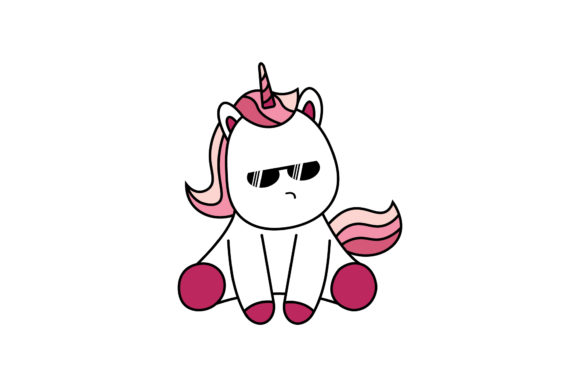
Unicorns Kawaii Illustrations Vectors: A Creative Toolkit
When you first open a pack of vector illustrations, the real question isn't what you see—it's what you can build with it. The Unicorns Kawaii Illustrations Vectors package delivers six distinct digital files, each designed at a generous 1920px by 1280px canvas size. This isn't a collection of tiny, low-resolution graphics that fall apart the moment you try to scale them. These are true vector assets—AI, EPS, SVG, and DXF formats—accompanied by raster JPG and PNG versions for immediate use. For anyone working in design, marketing, or content creation, this kind of flexibility matters more than the illustrations themselves.
Understanding the Kawaii Aesthetic in Professional Contexts
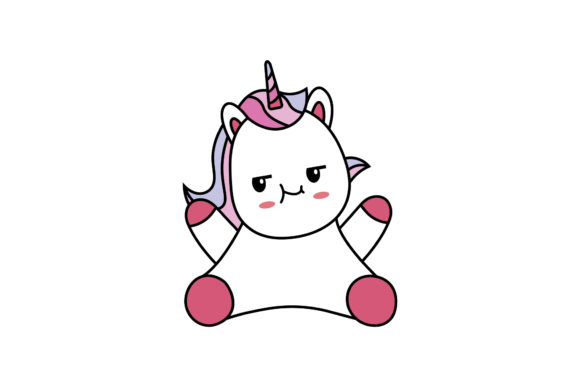
The kawaii style—originating from Japanese visual culture—centers on soft shapes, rounded edges, pastel palettes, and expressions that communicate warmth and approachability. The Unicorns Kawaii Illustrations Vectors package leans into this tradition with a playful yet polished sensibility. The unicorns here aren't overly stylized or childish in a way that limits their use. Instead, they strike a balance between whimsy and versatility, making them suitable for projects that need personality without sacrificing professionalism.
What makes these illustrations particularly useful is their visual consistency. Each file in the set shares a cohesive design language—similar line weights, color harmonies, and proportional relationships. This matters when you're building a brand identity or designing a series of social media graphics. Inconsistent assets create visual noise. Cohesive ones build recognition. These vectors fall firmly into the second category.
Where These Illustrations Actually Work Well
Let's talk practical applications. The Unicorns Kawaii Illustrations Vectors set works across a surprisingly wide range of projects, but context matters. Here's where I've seen this style of asset perform effectively:
- Children's product packaging design—toys, stationery, snack brands, and party supplies benefit from the friendly, approachable energy kawaii illustrations bring.
- Social media graphics—Instagram stories, Pinterest pins, and Facebook ads targeting parents, educators, or gift buyers. The style grabs attention in crowded feeds without feeling aggressive.
- Blog and editorial design—lifestyle blogs, parenting content, creative tutorials, and newsletter headers. These illustrations add visual interest without competing with your typography or layout.
- Small business branding—bakeries, craft shops, tutoring services, and boutique e-commerce stores targeting younger demographics or families. Used thoughtfully, kawaii elements can differentiate a brand from competitors relying on generic stock imagery.
- Print-on-demand products—t-shirts, stickers, tote bags, phone cases, and greeting cards. The vector formats mean you can resize without quality loss, which is essential for merchandise production.
- Event materials—birthday invitations, baby shower decorations, school event flyers, and community program handouts. The illustrations bring energy to designs that might otherwise feel flat.
- Digital products and templates—planners, worksheets, Canva templates, and educational materials sold on platforms like Etsy or Creative Market.
Working With Multiple File Formats
One of the more practical strengths of the Unicorns Kawaii Illustrations Vectors package is the format variety. The AI and EPS files open cleanly in Adobe Illustrator, giving you full control over colors, shapes, and layering. The SVG format works beautifully for web design—think website hero sections, landing page graphics, or animated elements. DXF files serve crafters using Cricut or Silhouette machines, which opens up an entirely different use case: physical product creation.
The JPG and PNG files are ready for drag-and-drop use in tools like Canva, Figma, or even PowerPoint. For marketers and content creators who don't use professional design software, these raster versions eliminate the technical barrier entirely. You get the illustrations without needing to learn vector editing workflows.
How Visual Assets Influence Brand Perception
Design choices communicate values before a single word gets read. When a brand uses Unicorns Kawaii Illustrations Vectors in its visual identity, it signals playfulness, creativity, and a certain warmth that rigid corporate imagery can't replicate. This works for businesses that want to feel approachable rather than authoritative—think children's education platforms, indie craft brands, or family-oriented lifestyle content.
The key is restraint. Using these illustrations as accent elements—a header graphic, a sidebar decoration, a watermark on branded content—keeps the design grounded. Overloading a layout with kawaii elements can push a project toward visual clutter, which undermines credibility. The best results come from pairing these illustrations with clean sans-serif typography, generous white space, and a limited color palette that complements rather than competes with the illustration style.
Font Pairing and Typography Considerations
If you're integrating these illustrations into a broader brand identity, typography pairing matters. Kawaii-style visuals pair well with rounded sans-serif typefaces—fonts with soft terminals and open letterforms that echo the illustration style without mimicking it. Think of typefaces like Nunito, Quicksand, or Poppins for body text. For headlines, a playful display font or handwritten font can work, but keep it legible. The goal is visual harmony, not visual competition.
Avoid pairing kawaii illustrations with highly formal serif fonts or rigid geometric typefaces. The contrast feels jarring rather than intentional. If your project requires a more sophisticated tone, consider using the illustrations sparingly—perhaps as a single accent element in an otherwise minimal design. This lets you introduce personality without compromising the overall aesthetic.
Practical Tips for Getting the Most From This Set
Start by reviewing all six files before committing to a design direction. Each illustration likely serves a slightly different purpose—one might work as a standalone hero image while another functions better as a repeating pattern element. Test the SVG versions in your web projects first; they load faster than raster alternatives and scale perfectly across screen sizes.
For print projects, convert the vector files to CMYK color mode before sending to production. The default RGB colors on screen can shift noticeably in print, especially with pastel tones. This small step prevents disappointing results and costly reprints.
Finally, remember that these are design assets—tools in your creative toolkit. Their value comes from how thoughtfully you integrate them into your work, not from their standalone appeal. The Unicorns Kawaii Illustrations Vectors package gives you professional-grade files in every format you need. What you build with them depends entirely on your vision, your audience, and the story you're trying to tell.